
Introduction
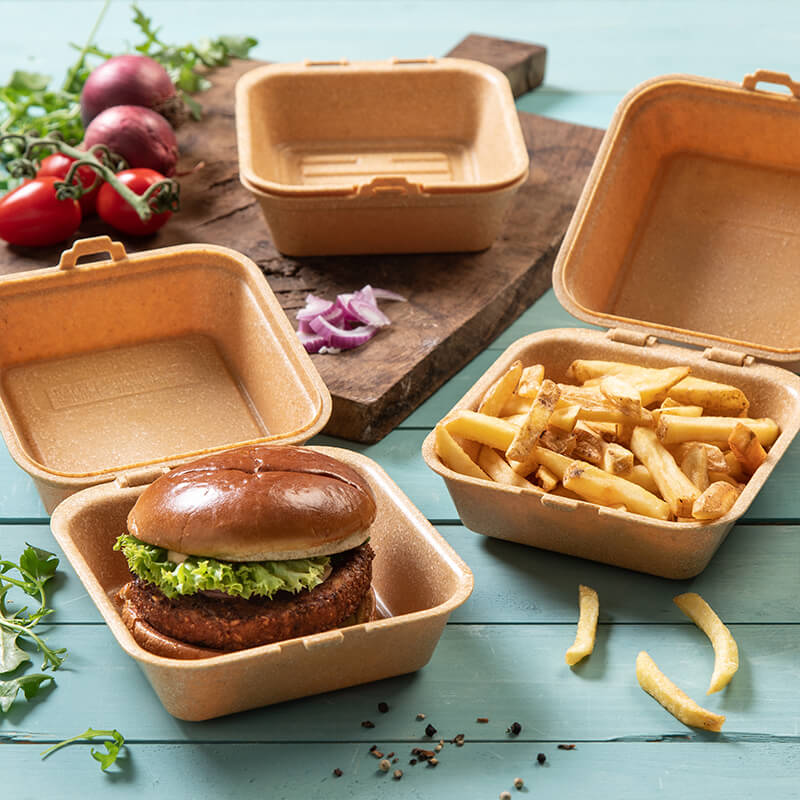
Plastic container with lid is one of those ordinary objects that rarely attracts attention yet quietly shapes the rhythm of daily life. In Singapore’s high-rise flats, hawker centres, and office pantries, these containers serve as both guardians of food and symbols of the effort to bring order into crowded, busy routines. What might seem like a trivial tool becomes a vital part of how people store, share, and preserve meals in a city where space and time are scarce.
The Daily Utility of Containers
The presence of containers in kitchens is so ordinary that one might forget their role in safeguarding food. A tightly sealed lid protects against dust, moisture, and pests. It ensures that yesterday’s curry, today’s salad, or tomorrow’s rice remains safe and edible.
· Keeps food fresh for longer periods
· Prevents leaks and spills during transport
· Organises pantries, fridges, and freezers
· Provides portion control for meal planning
· Reduces waste by storing leftovers securely
A Singaporean office worker once said: “When I carry my lunch in a good container, I feel I am carrying not just food, but also part of home into my working day.” That quiet comfort matters.
Living in Small Spaces
In a dense city like Singapore, storage solutions matter as much as cooking techniques. Homes with limited square footage depend on stackable, space-saving designs. Plastic containers with lids become practical tools of urban adaptation. Their modular shapes fit into fridges like puzzle pieces, while their transparency allows quick identification of contents.
Here, the container serves more than the food itself; it offers households a measure of control in tight living quarters. It provides a sense of tidiness and calm in an environment where clutter can easily overwhelm.
The Social Side of Sharing
Food is not merely consumed; it is exchanged, gifted, and shared. In Singapore’s culture, meals often move between households, from kitchens to workplaces, from hawker stalls to families on the go. Containers enable this movement.
A stallholder explained: “Customers want to bring food home without losing its flavour or shape. The right container makes sure the dish arrives as it should.”
plastic containers with lids allow satay skewers, laksa, or desserts to travel across neighbourhoods. In doing so, they help sustain the connections that food nurtures, friendship, family, and community.
Sustainability and Ethical Choices
The ubiquity of plastic has raised questions of responsibility. Containers, once seen as disposable, now stand at the centre of discussions about sustainability. Singapore has seen a growing demand for reusable, recyclable, and environmentally conscious packaging.
People are making different choices:
· Reusing containers instead of discarding them
· Opting for BPA-free and food-grade materials
· Seeking recyclable plastics and biodegradable alternatives
· Reducing reliance on single-use takeaway packaging
A Singaporean student reflected: “Every time I reuse a container, I feel I’ve done something small, but meaningful. It is one less piece of plastic thrown away.” The simple act of washing and reusing transforms an object into part of a larger narrative about responsibility.
Design and Functionality
A container’s usefulness is measured not only by its durability but also by its design. Lids that snap securely, boxes that resist staining, and shapes that fit neatly into bags or cupboards all matter.
Common designs include:
· Airtight seals
Preserve freshness and lock in aroma
· Stackable shapes
Maximise fridge and cupboard space
· Microwave-safe materials
Enable reheating without transfer
· Varied sizes
From small snack boxes to large meal containers
These practical features turn a plastic container with lid into a versatile partner in modern life, equally at home in a hawker stall, a lunch bag, or a family kitchen.
Economic Value of Containers
For families and food businesses alike, containers represent efficiency and savings. Leftovers stored safely can become tomorrow’s meal, reducing both waste and expense. For small eateries, packaging meals in reliable boxes reduces the risk of spills and unhappy customers.
The cost savings multiply over time. A family that packs lunches instead of buying takeaway every day saves significantly, while also enjoying healthier meals. Containers thus become quiet instruments of both economy and wellbeing.
Cultural Significance of Storage
Across cultures, the way food is stored reflects deeper values. In Singapore, where cuisines converge and families blend multiple traditions, containers hold more than food, they hold heritage. They store the spices of Indian curries, the delicacy of Chinese soups, the fragrance of Malay rendang.
Placing such meals into boxes with lids is an act of care, of ensuring that flavours cross not just kitchens but generations. The container becomes a vessel of memory, linking the present to the past.
The Future of Containers
As innovation advances, the everyday container evolves. Designers are experimenting with smart lids that signal freshness, materials that resist odours, and environmentally conscious plastics that decompose more readily.
Singapore, with its emphasis on efficiency and sustainability, will likely adopt such advances quickly. What remains unchanged, however, is the essential role of these boxes: to carry food safely, to sustain community, and to impose a measure of order on daily life.
Final Reflections
The humble container may seem mundane, yet it embodies a larger truth about society. It speaks of the need for order in chaos, the act of carrying nourishment through the demands of urban life, and the quiet choices people make about sustainability and care.
In Singapore, where meals are central to culture, the container takes on added importance. It is not just an accessory but part of the fabric of everyday living. And so, when we pause to consider the unassuming plastic container with lid, we find not only an object of practicality but also a reflection of the values we hold.


