
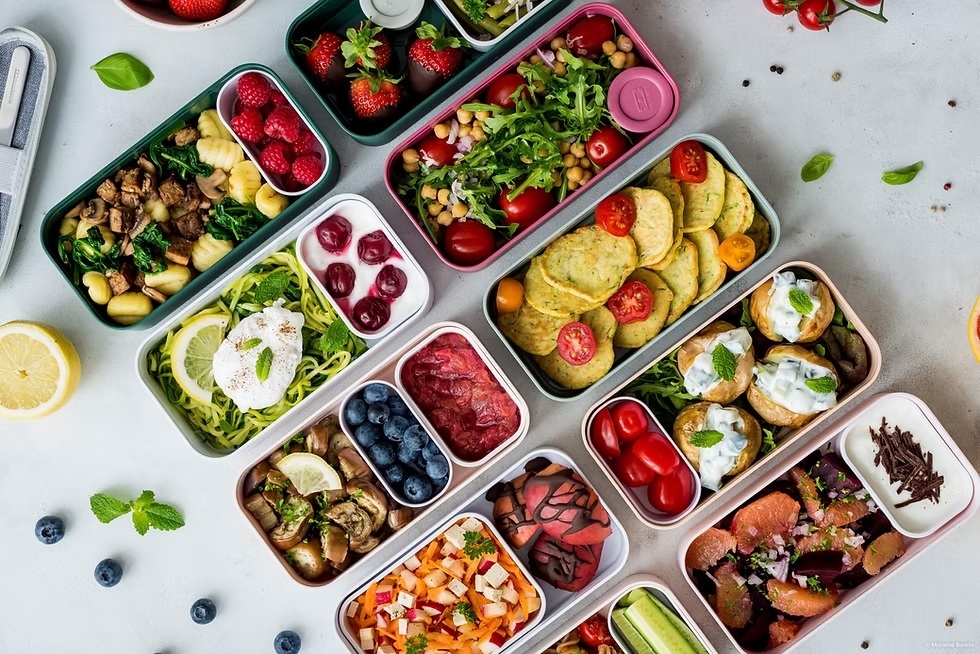
Introduction: The Intersection of Nourishment and Organization
In an increasingly frenetic world where time is the most valuable currency, the simple act of sitting down to a home-cooked meal can feel like a rare luxury. Yet the comfort of a well-prepared dish, thoughtfully assembled and aligned with one’s dietary values, remains one of life’s most rewarding pleasures. It is here that the art of meal planning and preparation emerges—not as a burdensome task, but as a lifestyle philosophy.
This refined approach goes far beyond nutrition or budgeting. It’s about crafting a calmer, more intentional way of living. With a little foresight and routine, anyone can turn chaotic kitchens into havens of culinary order, where meals are not hurried obligations but carefully curated experiences.
Why Meal Planning Matters: Beyond the Basics
Meal planning is often pigeonholed as a tactic for dieting or saving money. While it does serve those purposes well, its true value lies in the clarity and peace it brings to daily living. It is a gentle assertion of control over one’s schedule, health, and household environment.
Key Benefits of Thoughtful Meal Planning:
-
Reduced Decision Fatigue: Knowing what to cook each day eliminates last-minute stress and guesswork.
-
Improved Nutritional Balance: Planning allows for well-rounded meals rich in essential nutrients.
-
Time Management: Bulk preparation and strategic cooking free up hours during busy weekdays.
-
Cost Efficiency: Planning reduces food waste and minimizes unnecessary grocery purchases.
-
Mindful Living: It encourages intentionality and presence in one of life’s most routine activities—eating.
Step One: Designing a Weekly Plan That Works for You
Effective meal planning begins with understanding your lifestyle. Your work hours, family obligations, and personal preferences all shape the best approach. The goal is not perfection, but consistency.
Strategies for Building Your Weekly Plan:
-
Review Your Schedule
Block off evenings when you’ll be home late or have prior commitments. Reserve simpler or pre-prepped meals for those nights. -
Evaluate Your Pantry and Refrigerator
Use what you already have to reduce waste and inspire recipes. A half-used bag of lentils or leftover roasted chicken can spark an entire meal. -
Choose a Mix of Recipes
Aim for variety in both flavor and preparation style:-
One protein-rich entrée (grilled chicken, baked tofu)
-
One one-pot dish (stew, curry, casserole)
-
One grain bowl or salad
-
One indulgence or comfort meal
-
One leftover remix or “clean-out-the-fridge” night
-
-
Write It All Down
Whether in a planner, an app, or a whiteboard, write out your meals for the week. Seeing the plan visually reinforces follow-through.
Step Two: Mastering the Grocery List
A refined grocery list is the blueprint of your weekly culinary journey. Organized shopping reduces impulse purchases and ensures you’re only buying what you need.
Tips for Crafting a Smart Grocery List:
-
Organize by Aisle or Section: Group items into produce, dairy, grains, proteins, frozen, and pantry goods.
-
Include Quantities: Knowing you need “2 cups of spinach” vs. just “spinach” prevents overbuying.
-
Leave Room for Inspiration: A small margin of flexibility allows you to take advantage of seasonal or in-store specials.
Step Three: Prepping with Precision and Grace
Meal prep doesn’t require cooking seven meals on Sunday. In fact, too much batch cooking can lead to boredom. Instead, focus on prepping ingredients that provide versatility throughout the week.
Core Elements of Elegant Meal Prep:
-
Proteins: Cook a batch of grilled chicken, roasted chickpeas, or marinated tofu.
-
Grains: Prepare two types (e.g., quinoa and brown rice) to serve as a foundation for various meals.
-
Vegetables: Wash and chop a variety of vegetables. Roast a tray of hearty ones like carrots, sweet potatoes, and Brussels sprouts.
-
Dressings and Sauces: Whip up a couple of signature condiments—a lemon tahini dressing, a homemade pesto, or a garlic-yogurt sauce.
-
Snacks and Sides: Pre-portion hummus, roasted nuts, or yogurt parfaits for midday energy boosts.
Storage Tips:
-
Invest in quality containers that are stackable, leak-proof, and transparent.
-
Label items with the prep date to ensure freshness.
-
Store frequently used ingredients at eye level for easy access.
A Sample Weekly Menu: Flavor Meets Function
| Day | Lunch | Dinner |
|---|---|---|
| Monday | Quinoa tabbouleh with lemon dressing | Baked salmon with steamed asparagus |
| Tuesday | Chicken wrap with arugula and hummus | Chickpea curry with basmati rice |
| Wednesday | Greek salad with olives and feta | Pasta with spinach, mushrooms, and cream |
| Thursday | Leftover chickpea curry | Roasted vegetable bowl with tahini drizzle |
| Friday | Farro salad with grilled zucchini | Pizza night or a dine-out option |
This structure balances nutrition, taste, and flexibility, making it easy to adjust based on cravings or available ingredients.
Making It a Lifestyle: Sustainable Strategies
For meal planning to become a habit, it must be flexible and enjoyable. Here’s how to ensure it becomes a lasting part of your routine:
Timeless Tips for Long-Term Success:
-
Keep a Rotating Recipe List
Maintain a personal database of meals you love. When in doubt, draw from this go-to collection. -
Involve the Family
Let children or partners suggest meals. Shared planning often leads to better cooperation at the table. -
Set the Mood for Prep Day
Light a candle, play a calming playlist, or pour a cup of tea. Ritualizing prep makes it more enjoyable. -
Don’t Overcommit
Begin with three to four planned meals per week and build gradually. Flexibility is key to sustainability. -
Celebrate Small Wins
Every successful week is a step toward a more harmonious household. Acknowledge your progress.
Conclusion: The Subtle Luxury of a Well-Planned Plate
Meal planning and preparation offer far more than logistical efficiency. They present a chance to reconnect with food as a source of comfort, care, and creativity. When meals are thoughtfully considered and prepared, eating becomes more than consumption—it becomes celebration.
Approach your kitchen with curiosity. Let the act of chopping vegetables or stirring a simmering pot be a gentle meditation. Embrace the stillness found in structure. In doing so, you’ll discover that the true joy of meal planning lies not only in what you eat, but in the calm and intention that shape the way you live.


