
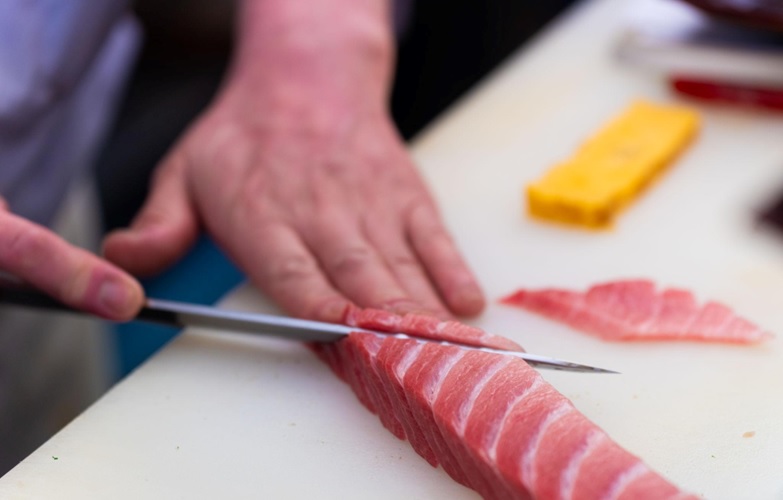
Sushi in Southeast Asia has grown rapidly in popularity, and one ongoing debate among chefs and diners is whether local or imported fish works best. The answer is not simple. Both options offer advantages depending on freshness, species availability, handling standards, and the type of sushi being prepared.
The Strength of Local Fish
Southeast Asia is surrounded by rich marine waters, making local fish an important part of sushi preparation. Freshly caught tuna, snapper, grouper, and mackerel are widely available in coastal markets and can be delivered quickly to restaurants.
Local fish often has the advantage of shorter supply chains, which can mean better freshness when handled properly. When sushi chefs work closely with trusted local suppliers, they can select fish at peak quality and reduce storage time.
However, not all local fish is ideal for raw consumption. Proper handling, temperature control, and food safety standards are critical to ensure it is safe for sushi preparation.
The Role of Imported Fish
Imported fish—especially from Japan, Norway, and other established seafood exporters—remains a key part of high-quality sushi. Salmon, in particular, is rarely found in tropical waters and is commonly imported for sashimi and nigiri.
Imported fish is often processed under strict grading systems and cold-chain logistics, which help maintain consistent texture, fat content, and flavor. This consistency is especially important for premium sushi restaurants that prioritize uniform quality.
The downside is cost and travel time. Imported fish can be more expensive and may spend longer in transit, requiring careful temperature control to maintain freshness.
Freshness vs Consistency
The choice between local and imported fish often comes down to a balance between freshness and consistency. Local fish may arrive faster but vary in quality depending on season and handling. Imported fish offers more predictable quality but may involve longer logistics chains.
Skilled sushi chefs often combine both, selecting local fish for certain seasonal dishes and imported fish for staples like salmon or premium tuna cuts.
Food Safety and Handling Standards
Regardless of origin, proper handling is the most important factor in sushi quality. Fish must be stored at correct temperatures, handled with clean tools, and prepared in hygienic environments.
In Southeast Asia’s warm climate, maintaining the cold chain is especially critical. Even high-quality fish can degrade quickly if storage practices are not properly followed.
Final Thoughts
There is no single winner in the debate between local and imported fish for sushi in Southeast Asia. Local fish offers freshness and regional character, while imported fish provides consistency and specific flavor profiles. The best sushi experiences often come from chefs who understand how to combine both, prioritizing quality, safety, and seasonal availability to create balanced and memorable dishes.
This post was written by a professional at Suhi Inc. Sushi Inc. is a vibrant restaurant that offers what is considered the best sushi in St. Pete. Opening its doors in 2013 and becoming a local staple by offering live music, traditional hand-rolled sushi, and a friendly atmosphere, our guests always have a top-notch experience. Customers love our award-winning, fresh, and creative Sushi rolls, Nigiri, and Sashimi. With a larger selection of tempura, non-Sushi, and teriyaki options, we can accommodate every taste.


