
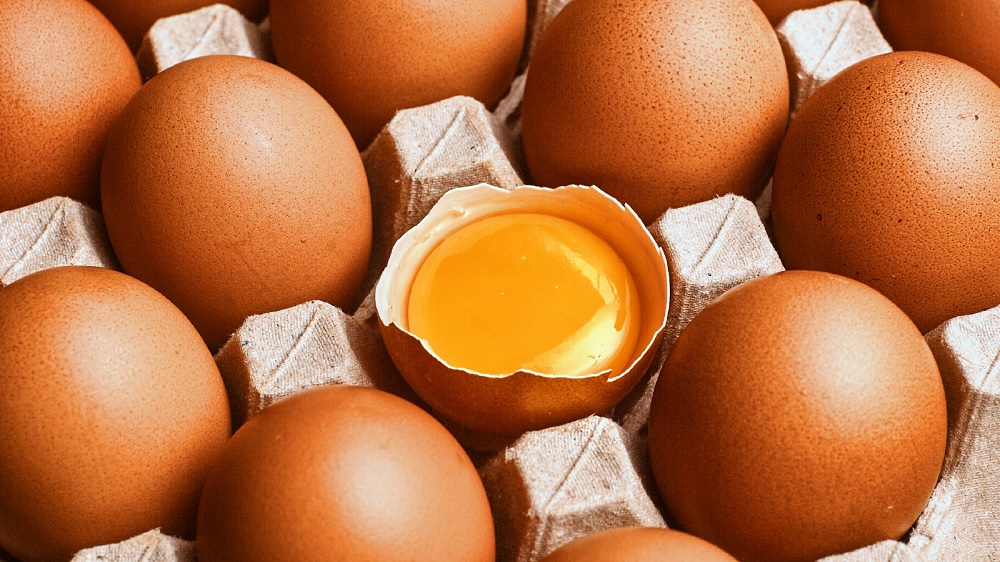
Quality in an egg is not a matter of opinion. It can be seen, measured and, with a bowl of tap water, tested at home in half a minute. The trouble is that all of the evidence lies inside the shell, where a shopper cannot look. Choosing the good eggs in singapore kitchens depend on therefore happens in two stages: sensible guesses at the point of purchase, then simple checks at the worktop that tell you whether the guesses were right and which seller deserves the next order.
What an Egg Loses With Age
From the day it is laid, an egg slowly changes. Moisture and gas pass out through thousands of tiny pores, and the air pocket at the blunt end expands. The thick white thins and spreads. The membrane round the yolk weakens, so the yolk flattens and breaks more easily. None of this is dangerous in itself. It does decide whether a poached egg holds together or drifts into rags, which is what cooks mean by quality.
The Bowl of Water
Lower an egg gently into a deep bowl of cold water. A very fresh one sinks and lies on its side. One that is a week or two old settles with the blunt end tilted upward. An older egg stands upright on its point, and one that floats has a large air cell and is past its best. The method is rough yet reliable, costs nothing and takes seconds. Try it on two eggs from each new tray.
The Plate
Crack an egg onto a flat white plate and crouch to look at it side on. High quality shows as a domed yolk sitting on a thick, clearly raised ring of white, with only a little thin liquid at the edge. A tired egg spreads wide and shallow, the yolk low. A fresh egg smells of almost nothing. Any sharp or sulphurous odour settles the question at once: discard it and wipe down the surface.
The Torch
Farms grade by candling, shining a strong light through each egg to reveal cracks, blood spots and the size of the air cell. A phone torch in a dark cupboard does a fair imitation. Hold the blunt end against the lamp: a shallow air pocket and a faint, centred yolk shadow are good signs. Producers that sell farm-graded eggs by the tray have done this at scale before packing, which is one reason hairline cracks are rarer in properly graded stock.
Shell Clues at the Shop
Before any of those tests, the shell gives hints. Look for a clean, matt surface without cracks, thin patches or stuck-on dirt. A slightly rough, chalky feel is normal; a slick or powdery film is not. Colour is irrelevant to quality, being set by the breed of hen. Check the date mark, prefer the latest, and note where the retailer keeps its stacks. Cool and shaded is right. Warm and sunlit ages eggs quickly.
Matching the Egg to the Dish
Different cooking asks for different eggs. Poaching and frying reward the freshest, because a tight white keeps its shape. Hard-boiling is the exception: eggs a week or more old peel far more cleanly, since the enlarged air cell loosens the membrane. Baking is forgiving about age but fussy about size, so keep to the weight the recipe assumes. For soft-boiled eggs with kaya toast, or any uncooked sauce, choose pasteurised shell eggs.
Yolk Colour and Other Distractions
A deep orange yolk looks rich and photographs well. It results mainly from pigments in the feed, such as maize or marigold, and is not a measure of freshness or nutrient content. Likewise a blood spot, though unappealing, is a harmless accident of laying and can be lifted out with a spoon. Cloudiness in the white actually indicates a very fresh egg. Judge by firmness and smell, not by colour.
Specialty Labels, Read Coolly
Eggs marketed with extra omega-3, added vitamins or lower cholesterol reflect changes to what the hens were fed. Treat such claims as modest adjustments, check the nutrition panel for figures, and be cautious about any wording that implies a medical benefit. Housing terms such as free-range or cage-free concern welfare and depend on the certifying standard. They can coincide with good quality, but they do not guarantee it. The plate test still applies.
Keeping Quality After Purchase
A fine egg can be spoiled at home. Refrigerate trays soon after buying and store them in the carton on a shelf, not in the door, where the temperature jumps each time it opens. Keep them away from strong-smelling foods, as shells are porous. Do not rinse them before storing. Take out only what is needed, and let eggs for baking come to room temperature briefly on the counter before use.
Deciding Which Tray Wins
Run a small trial. Buy trays from two or three sources in the same week, date them with a marker, and put two eggs from each through the water and plate tests. The differences are usually obvious. Keep buying from whichever source produces the highest yolks and tightest whites, whether that is a nearby supermarket or a local producer that delivers to homes. Repeat the check every few months. Quality is a habit of the supplier, and it shows.


