
Introduction: The Evolution of Dining Out
A restaurant is no longer a simple place to eat—it is an experience, a story, and often, a destination. In the modern era, dining out has taken on a deeper meaning, transcending the boundaries of food and venturing into the realms of ambiance, cultural immersion, service artistry, and human connection. Today’s diners are not merely customers; they are guests seeking delight, discovery, and depth. As a result, the contemporary restaurant is reimagined as a curated space where flavor, design, service, and atmosphere converge into an unforgettable experience.
Historical Roots: From Broths to Brilliance
The concept of a restaurant has existed in varying forms across ancient civilizations. In ancient Rome, thermopolia served hot food to working-class citizens. In medieval Islamic cities, caravanserais offered travelers rest and nourishment. However, the modern restaurant as we know it traces its roots to 18th-century Paris, where a man named Boulanger began selling “restoratives” to the public. Following the French Revolution, displaced royal chefs opened public eateries, bringing culinary sophistication to the masses. Over centuries, this model spread and evolved, becoming central to urban culture and global hospitality.
Ambiance: Setting the Stage for Taste
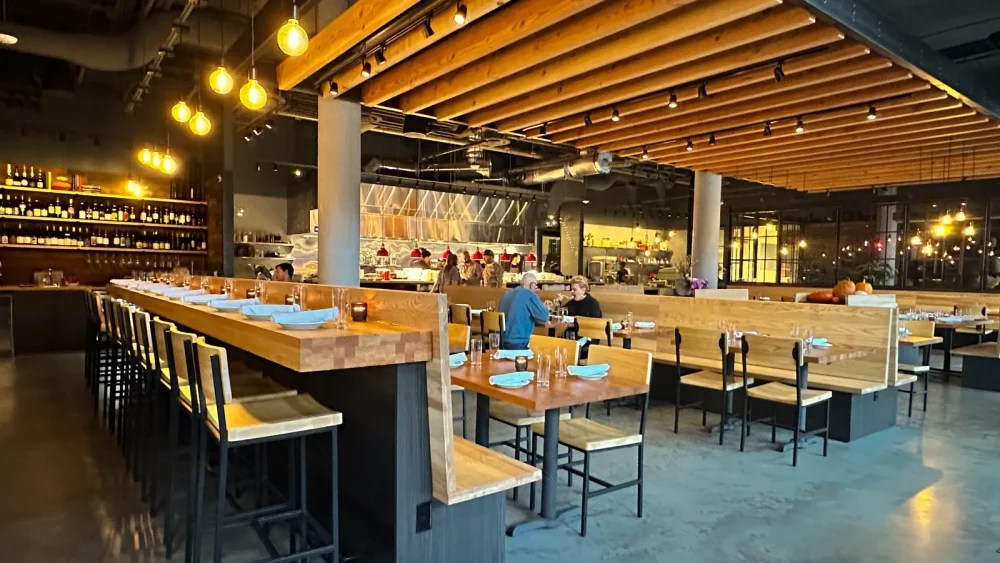
Before a menu is opened or a fork is lifted, a guest encounters the mood of a restaurant. The ambiance—crafted through architectural design, lighting, acoustics, and décor—shapes the psychological palate upon which the dining experience is painted.
Essential elements that contribute to restaurant ambiance:
-
Lighting: Dim lighting fosters intimacy, while natural light energizes and opens up the space
-
Music and Acoustics: Carefully chosen soundtracks or ambient noise shape mood and interaction
-
Furniture and Layout: Comfort, spacing, and aesthetics create a sense of belonging and ease
-
Scent and Temperature: Even subtle aromas or environmental cues influence taste perception and mood
A well-designed ambiance doesn’t compete with the food—it elevates it. A warm, inviting space can turn a simple meal into a soulful memory.
Menus with Meaning: Culinary Storytelling on a Plate
A thoughtfully designed menu serves not just as a selection of dishes, but as a narrative. Each item represents an origin, a philosophy, and an emotional connection. Whether driven by tradition or innovation, a modern menu often reflects a chef’s personal journey, regional influences, and a desire to challenge conventional boundaries.
Key trends that shape today’s restaurant menus:
-
Farm-to-Table Philosophy: Menus evolve with the seasons, championing local producers and sustainability
-
Fusion Cuisine: Culinary borders are blurred as chefs combine global techniques and ingredients
-
Plant-Forward Innovation: Vegetables take center stage, redefining fine dining without animal products
-
Tasting Menus and Chef’s Tables: Multi-course experiences offer deeper engagement with the chef’s creative vision
Menus have become smaller and more curated in many modern restaurants. Simplicity often speaks louder than abundance when every dish is a carefully orchestrated performance.
Service: The Invisible Elegance
While food feeds the body, it is service that feeds the soul of the dining experience. Exceptional service is rarely loud or ostentatious—it is fluid, attentive, and invisible at its best. From the initial greeting to the final farewell, the hospitality team sets the emotional tone of the meal.
Traits of world-class restaurant service include:
-
Empathy: Reading guests’ needs and preferences without intrusion
-
Knowledge: Offering insightful guidance on ingredients, pairings, and origins
-
Professionalism: Attentive behavior, elegant communication, and polished presentation
-
Genuine Warmth: Creating a sincere connection that enhances the guest’s comfort and joy
The greatest restaurants understand that true hospitality cannot be faked—it must be embedded in the culture and practiced with grace.
Technology at the Table: Convenience Without Compromise
Modern dining has embraced technological integration, not to replace tradition, but to enhance it. Smart reservations, contactless menus, and digital payment systems improve the logistics of dining without detracting from its warmth.
Ways technology elevates the restaurant experience:
-
Online Booking Systems: Real-time reservations, table preferences, and guest profiles
-
QR Code Menus: Environmentally friendly and easily updated menus, adaptable for multiple languages
-
Kitchen Automation: Ensures consistency and quality, especially in high-volume environments
-
Customer Relationship Management (CRM): Personalized dining experiences based on past visits and preferences
When implemented wisely, technology creates efficiency and personalization, allowing human hospitality to shine even more brightly.
Restaurants as Cultural Pillars and Social Hubs
Restaurants do more than serve food—they serve culture, identity, and memory. They are gathering places for celebrations, milestones, conversations, and even quiet reflection. Each establishment reflects the values of its owners, the dreams of its chefs, and the tastes of its community.
Cultural roles played by restaurants:
-
Preservation of Heritage: Traditional eateries keep regional and ancestral cuisines alive
-
Promotion of Innovation: Culinary incubators foster experimental, avant-garde cooking
-
Inclusivity and Dialogue: Restaurants serve as meeting grounds for people of diverse backgrounds
-
Economic Impact: They support local suppliers, provide employment, and boost tourism
In this light, restaurants become essential threads in the social and economic fabric of communities. Their influence extends beyond the table and into the heart of society.
Challenges and Resilience in the Industry
Running a restaurant in the 21st century requires resilience, creativity, and adaptability. Global crises, economic fluctuations, supply chain disruptions, and evolving diner expectations present constant challenges. Yet, the industry endures—often reinventing itself under pressure.
Common challenges faced by modern restaurateurs:
-
Labor Shortages: Recruiting and retaining skilled staff amid high turnover
-
Rising Costs: Balancing quality with affordability as prices for ingredients and rent increase
-
Health and Safety Compliance: Adapting to evolving hygiene protocols and food safety regulations
-
Sustainability Pressure: Reducing waste, conserving energy, and making eco-conscious choices
Despite these hurdles, restaurants continue to thrive through innovation—embracing alternative formats like food trucks, ghost kitchens, pop-up experiences, and hybrid delivery models.
Conclusion: The Enduring Magic of the Restaurant
In its most elevated form, a restaurant is not simply a business—it is a living, breathing work of art. It is a space where the senses awaken, stories unfold, and time slows down. Behind every polished dish and artful service lies a tapestry of passion, precision, and personality. Whether you’re toasting a milestone, seeking a moment of solace, or exploring a new flavor, the restaurant remains one of the most intimate and inspiring places we can visit. It speaks to our shared humanity—our hunger not only for food, but for beauty, connection, and experience.


