
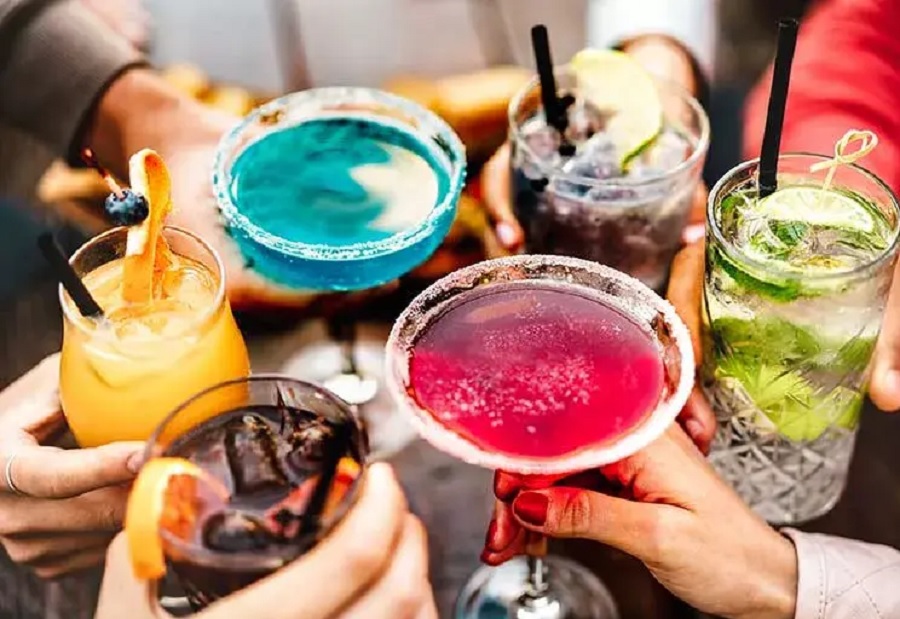
In every culture and corner of the world, drinks and beverages hold a position of honor—not just as thirst quenchers, but as vehicles of tradition, symbols of hospitality, and markers of celebration. From a steaming cup of ceremonial matcha in Japan to a bold glass of Bordeaux in France, the drinks we consume tell stories that stretch beyond the rim of a glass.
In this curated exploration, we’ll journey through the nuanced world of beverages, both alcoholic and non-alcoholic, to uncover the subtle artistry, global variety, and evolving trends that define the culture of drinking today.
The Cultural Heartbeat of Beverages
Beverages are far more than mere refreshments—they are often the lifeblood of social rituals and community. Whether it’s morning coffee shared between friends or a glass of champagne to mark an achievement, drinks help shape the rhythm of our days.
Key cultural touchpoints:
-
Tea Ceremonies in Asia: In China and Japan, tea is not merely brewed—it is honored. The preparation and presentation of tea involve specific gestures and tools, reflecting mindfulness and respect.
-
Wine in European Traditions: In countries like Italy, France, and Spain, wine is woven into daily life. A meal without wine is often considered incomplete, and regional variations express centuries of viticulture and terroir.
-
Coffeehouses in the Middle East: Far from being a place for a quick caffeine fix, traditional Arabic coffeehouses serve as venues for conversation, storytelling, and diplomacy.
The Rise of Non-Alcoholic Sophistication
In recent years, there has been a noticeable shift toward more sophisticated non-alcoholic beverages. Health-conscious consumers and mindful drinkers are leading a renaissance in alcohol-free options that rival their alcoholic counterparts in both complexity and presentation.
Trends shaping the movement:
-
Craft Mocktails: Bartenders are now putting as much effort into alcohol-free concoctions as they do with cocktails, employing ingredients like elderflower, ginger shrub, or turmeric bitters.
-
Functional Beverages: These are drinks enhanced with ingredients that offer health benefits—think adaptogenic herbs, probiotics, or CBD infusions.
-
Premium Waters and Teas: Artisanal spring waters and single-origin teas have gained popularity among those who appreciate subtlety and provenance.
The Everlasting Allure of Alcohol
Alcoholic beverages remain at the center of conviviality, celebration, and relaxation. From the aging barrels of whiskey to the crisp finesse of a dry Riesling, the realm of alcohol is as broad as it is deep.
Noteworthy categories:
1. Wine
-
Red, White & Rosé: Each category has its own fanfare, but the unifying thread is terroir—the climate, soil, and tradition that shape every bottle.
-
Sparkling Wines: Champagne, Prosecco, and Cava stand apart for their celebratory fizz and lightness.
2. Spirits
-
Whiskey: Revered for its complexity, from peaty Islay scotches to smooth Kentucky bourbons.
-
Gin & Vodka: Distilled purity that serves as a clean canvas for botanicals or mixers.
-
Rum & Tequila: Often associated with sun-drenched locales, both offer a range from light and mixable to dark and sipping-quality.
3. Beer
-
Craft Beer Culture: From IPAs to stouts, the microbrewery boom has resurrected beer as a nuanced, artisan product.
-
Traditional Brews: Many countries still cling to historical brewing techniques that date back centuries.
Rituals and Etiquette Around the Globe
The way we serve and consume beverages often carries meaning beyond the liquid itself.
-
Japan: In Japanese culture, it’s customary to pour drinks for others, not oneself—a gesture of humility and camaraderie.
-
Russia: Offering vodka is not merely hospitality; it’s a cultural expectation during gatherings, with multiple toasts marking friendship and respect.
-
Britain: Afternoon tea remains a cornerstone of civility and gentility, with its delicate pastries and emphasis on good conversation.
Sustainability in the Beverage Industry
Today’s consumers are not only connoisseurs—they are also conscious. The beverage industry has responded with a focus on sustainability and ethical production.
Sustainable shifts include:
-
Organic Farming: Wineries and tea plantations increasingly turn to organic methods to protect soil health and biodiversity.
-
Eco-Packaging: From lightweight glass bottles to compostable coffee pods, packaging is being reimagined.
-
Water Stewardship: Beverage brands now face growing pressure to manage water responsibly—an essential resource in every sip.
A Reflection of Identity and Innovation
What one drinks often says something about who they are. Beverages reflect personal taste, values, and even aspirations. A glass of biodynamic wine may suggest ecological awareness, while ordering a Negroni might signal a penchant for the classic and bold.
At the same time, innovation continues to push the boundaries:
-
Nitrogen-infused cold brews
-
Barrel-aged cocktails in bottle
-
Zero-alcohol spirits with botanical complexity
These developments illustrate that creativity in beverages is not slowing down—it’s evolving into an art form of its own.
Final Thoughts: Beyond the Beverage
To understand beverages is to glimpse the soul of a culture, the nuances of hospitality, and the ever-changing desires of society. Whether it’s a slow-brewed cup of coffee, a highball of aged rum, or a glass of still mineral water, what we drink matters—not just in taste, but in meaning.
Next time you lift your glass, take a moment to consider the history, craftsmanship, and culture that lie within. After all, every sip is a story waiting to be told.


