
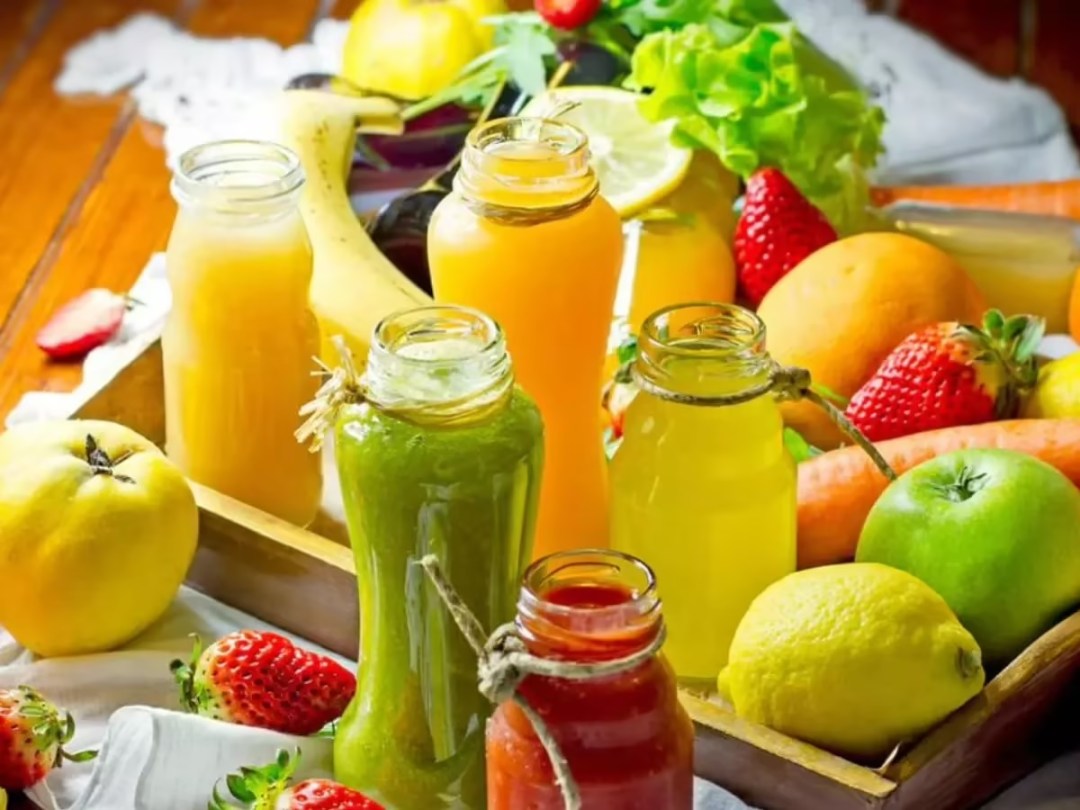
Beverages, whether sipped in quiet solitude or shared in jubilant company, are far more than fluids that quench thirst. They are cultural emblems, vehicles of hospitality, and expressions of personal taste. Every era, region, and occasion carries its signature drink, telling stories that are as rich as the brews themselves. From ancient elixirs to modern mocktails, the world of drinks and beverages is an elegant tapestry woven from history, tradition, science, and art.
This article takes you on a refined exploration of the diverse landscape of beverages—alcoholic and non-alcoholic alike—highlighting their cultural significance, innovation, and evolving role in contemporary lifestyles.
The Cultural Essence of Beverages
Every society imbues its drinks with meaning. They are part of daily rituals, sacred ceremonies, and grand celebrations. Beverages often serve as cultural shorthand—expressing identity, hospitality, and even spirituality.
Examples of cultural importance:
-
China and Tea Culture: Tea is not just a drink in China—it is a philosophy, an expression of respect, and a tool for connection. Its preparation and serving follow unwritten rules passed down through generations.
-
France and Wine: Wine in France is a pillar of national pride and lifestyle. The French don’t merely drink wine; they discuss, dissect, and revere it. Each bottle reflects the land, the climate, and the winemaker’s touch.
-
Middle Eastern Coffeehouses: Coffee in Middle Eastern culture is deeply ritualized, often laced with cardamom and served in ornate cups. A shared pot of coffee can facilitate hours of conversation, negotiation, and storytelling.
These traditions remind us that beverages are not trivial—they are integral to how people live, bond, and celebrate.
The Rise of the Sophisticated Non-Alcoholic Beverage
In a world increasingly conscious of health, wellness, and inclusivity, non-alcoholic drinks have shed their former limitations. Today’s teetotal options rival their alcoholic counterparts in flavor complexity and presentation, reflecting a cultural pivot toward mindful consumption.
Key trends driving the shift:
-
Mocktails with Mastery: Gone are the days of overly sweet fruit blends masquerading as cocktails. Mixologists now craft alcohol-free drinks with as much care as traditional cocktails, layering flavors from herbs, spices, bitters, and cold-pressed juices.
-
Functional Beverages: Consumers seek more than just hydration. Beverages infused with adaptogens, collagen, probiotics, and nootropics are gaining momentum, promising wellness benefits alongside refined flavors.
-
Artisanal Teas and Coffee Alternatives: Aficionados are gravitating toward single-origin teas, mushroom coffees, and chicory-based elixirs that offer a new experience without the crash of caffeine or alcohol.
This movement celebrates the idea that sophistication does not require intoxication—it simply requires intention.
Alcoholic Beverages: The Legacy and the Innovation
While the non-alcoholic sector thrives, the world of alcoholic beverages continues to evolve, grounded in centuries of tradition yet always reaching forward.
Categories of note:
1. Wine
-
Old World vs. New World: European vintages emphasize terroir and heritage, while New World producers experiment boldly with techniques and blends.
-
Organic and Biodynamic Wines: Reflecting the broader green movement, more wineries are turning to environmentally friendly practices without compromising quality.
2. Spirits
-
Whiskey: From smoky Islay Scotch to caramel-rich Kentucky Bourbon, whiskey is a study in patience, barrel aging, and elemental influence.
-
Gin: The renaissance of gin is driven by botanical experimentation—infusions of lavender, citrus, or seaweed are now commonplace.
-
Rum and Tequila: Once typecast as party drinks, both spirits have matured into respected sipping options with artisanal expressions.
3. Beer
-
Craft Beer Boom: Local microbreweries now produce beers with storytelling power—from tropical IPAs to milk stouts aged in bourbon barrels.
-
Traditional Styles Reimagined: Brewers are revitalizing ancient recipes, such as Gose and Saison, bringing history to modern taps.
Each pour reflects the interplay of science, geography, and human artistry, ensuring that the world of alcohol remains both rooted and revolutionary.
Global Drinking Etiquette and Rituals
Beyond what is consumed, how it’s consumed matters. Around the globe, etiquette and ritual transform simple drinking into an act of grace.
-
Japan: It is customary to never pour your own sake; instead, you pour for others, reinforcing mutual respect.
-
Italy: Coffee is taken seriously, and cappuccino after noon is frowned upon. Espresso is the standard, often enjoyed standing at the bar.
-
Russia: Vodka is served in precise, chilled shots and always accompanied by toasts and food, ensuring drinking is both social and sustained.
Such customs emphasize that drinking is often more about shared experience than personal indulgencThe New Aesthetic: Sustainability and Conscious Sipping
Modern consumers are not just looking for taste; they’re also scrutinizing the ethics and environmental impact of their drinks.
Sustainable shifts include:
-
Zero-Waste Bars: Creative venues now find uses for every peel, stem, and shell—transforming waste into garnishes or infusions.
-
Eco-Friendly Packaging: Innovative brands use compostable containers, recycled glass, or lightweight bottles to reduce their carbon footprint.
-
Water and Ingredient Ethics: Ethical sourcing of tea leaves, coffee beans, and grapes has become a deciding factor for many discerning drinkers.
Beverages are becoming more than indulgence—they are an extension of lifestyle choices and values.
A Reflection of Taste, Identity, and Occasion
A beverage can signal mood, status, or intention. A delicate jasmine tea suggests calm reflection. A Negroni may hint at refined worldliness. An oat milk latte might whisper health-conscious modernity. Whether at a wedding, business meeting, or solitary afternoon, the chosen drink becomes part of the narrative.
And in this variety lies the beauty of the beverage world. There is no one right way to drink—only personal preference, shaped by experience and curiosity.
Closing Thoughts: The Art of Drinking Well
To drink well is to understand that what we sip can elevate conversation, deepen connection, and express who we are. The best beverages—alcoholic or not—are those that are savored with intention and enjoyed in good company.


