
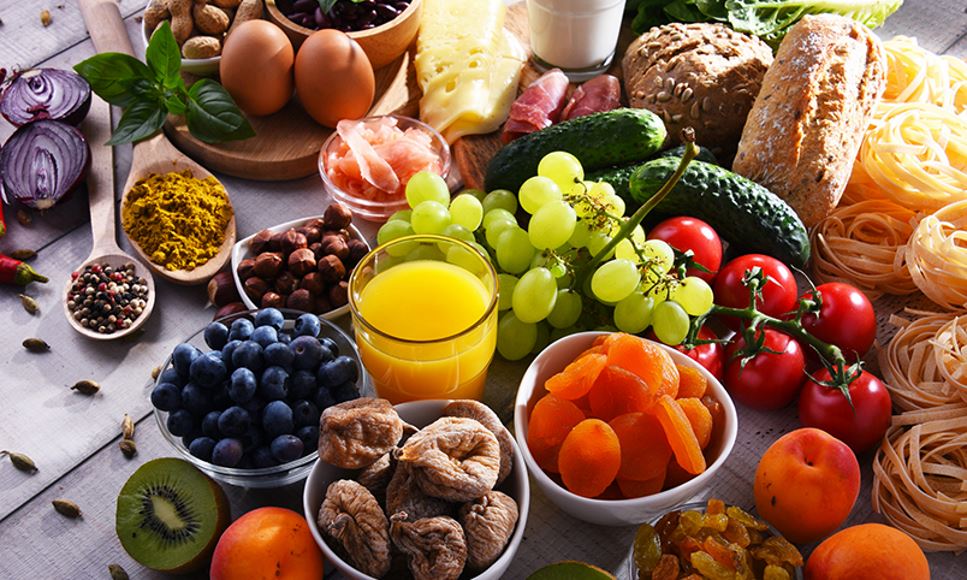
Food is much more than a means to satisfy hunger. It is a profound element of human life, woven deeply into the fabric of culture, identity, science, and emotion. Whether it is a simple home-cooked meal or an intricate gourmet creation, food tells stories, evokes memories, and connects individuals across time and place. This article explores the multifaceted nature of food, shedding light on its cultural significance, scientific underpinnings, emotional resonance, and the challenges and innovations shaping its future.
The Cultural Significance of Food: More Than Just Sustenance
Food functions as a cultural emblem, a tangible expression of tradition and history. It reflects the geography, climate, and values of the people who cultivate and prepare it, acting as a living archive of heritage.
-
Tradition and Heritage: Recipes passed down through generations preserve a community’s identity. For example, the slow-cooked stews of the Mediterranean or the elaborate spice blends of South Asia are not merely flavors but stories of land and people.
-
Rituals and Celebrations: Food marks milestones, holidays, and religious observances. Festive dishes like the Thanksgiving turkey or the Diwali sweets are more than culinary delights; they are symbols of gratitude, unity, and renewal.
-
Global Influence and Fusion: As cultures interact and migrate, culinary traditions evolve. Fusion cuisines blend disparate elements, creating new tastes while honoring their origins—think Korean tacos or Italian-Japanese pasta.
Through its cultural richness, food nurtures community bonds and bridges generational divides.
The Science of Food: An Alchemy of Taste and Nutrition
Beneath the artistry lies a fascinating realm of science. Cooking is a precise combination of chemistry and biology, where heat and ingredients transform into complex flavors and textures.
-
Chemical Reactions: The Maillard reaction caramelizes sugars and proteins, producing the savory crust on grilled meats and freshly baked bread. Fermentation introduces beneficial bacteria, enhancing flavor and digestibility in foods like yogurt and sauerkraut.
-
Nutritional Balance: Food science unravels the role of macronutrients—carbohydrates, proteins, fats—and micronutrients such as vitamins and minerals, guiding healthy eating.
-
Innovations in Culinary Science: Techniques such as sous-vide cooking and molecular gastronomy showcase the marriage of scientific precision with culinary creativity, allowing chefs to experiment with textures and intensities of flavor.
Understanding food’s science enriches both the cooking process and our appreciation of what nourishes us.
Emotional and Social Dimensions: Food as Comfort and Connection
Food resonates on an emotional level, deeply intertwined with memory, comfort, and social interaction.
-
Comfort and Memory: Familiar tastes and smells can evoke powerful feelings of nostalgia and safety, like a mother’s chicken soup or freshly baked cookies from childhood.
-
Social Bonding: Sharing meals strengthens relationships and fosters community. From casual family dinners to elaborate feasts, food acts as a catalyst for conversation and connection.
-
Mindful Eating: Emphasizing presence and gratitude during meals enhances enjoyment and promotes a healthier relationship with food.
These emotional layers highlight how food serves not only the body but the soul.
Contemporary Challenges and Innovations in Food
The global food system today faces significant pressures from population growth, climate change, and health crises, prompting urgent rethinking and innovation.
Sustainability and Environmental Stewardship
-
Conventional agriculture is a major contributor to greenhouse gas emissions and resource depletion. Sustainable farming practices, such as crop rotation, organic methods, and agroforestry, seek to mitigate these impacts.
-
Reducing food waste through better supply chains and consumer awareness is critical in conserving resources and feeding a growing population.
Health and Dietary Trends
-
Increased rates of obesity and chronic illnesses have sparked movements toward plant-based diets, whole foods, and personalized nutrition plans.
-
Greater understanding of allergies, intolerances, and ethical dietary choices is reshaping food production and consumption patterns.
Technological Advances
-
Innovations like lab-grown meats, vertical farming, and smart agriculture offer potential to improve efficiency and sustainability.
-
Digital platforms and apps are transforming food accessibility, education, and culinary exploration.
These developments underscore a dynamic intersection of necessity, creativity, and responsibility in feeding the future.
Food and Identity: A Reflection of Values and Belonging
Our food choices often mirror who we are, expressing beliefs, traditions, and social affiliations.
-
Dietary Practices: Vegetarianism, veganism, kosher, halal, and other dietary customs represent ethical, religious, or health considerations, defining personal and communal identity.
-
Culinary Heritage: Embracing traditional foods can reaffirm cultural pride and foster resilience amid globalization.
-
Social Context: Dining etiquette, communal meals, and food rituals convey social norms and facilitate belonging.
Food becomes a medium through which individuals and communities assert identity, celebrate diversity, and build connections.
Key Insights on Food’s Role in Human Life
-
Food is a rich cultural expression that preserves history and fosters community.
-
Scientific understanding elevates culinary craftsmanship and nutritional health.
-
Emotional and social ties to food nurture psychological well-being.
-
Sustainability and innovation are essential for addressing modern food challenges.
-
Food choices reflect and shape personal and collective identity.
Conclusion: Embracing the Depth of Food
Food is undeniably a vital human necessity, yet it transcends the physical to touch culture, science, emotion, and identity in profound ways. By appreciating the complexity of food—its traditions, innovations, and the stories it carries—we cultivate not only healthier bodies but richer lives. As the world evolves, so too does our relationship with food, inviting us to savor each meal not just for taste, but for connection, meaning, and the shared human experience it embodies. In every bite lies an opportunity to engage with the world, celebrate diversity, and nurture ourselves and others.


