
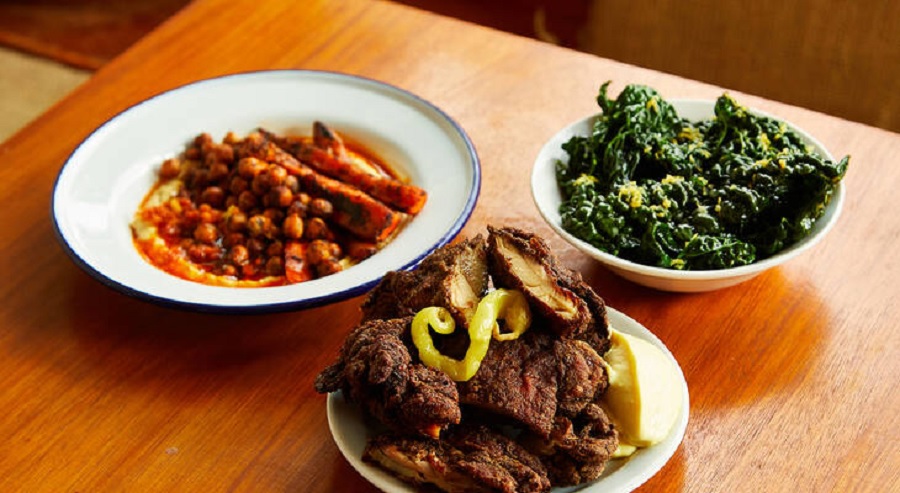
Introduction: More Than Flavor on the Plate
Dining out has evolved far beyond mere sustenance; it’s now an experience—crafted, curated, and carefully judged. In the age of culinary exploration, where every meal is a potential story, food reviews have become indispensable. They inform, influence, and inspire. But what separates a helpful review from a hollow opinion? What makes food writing resonate, and how does it shape our taste culture?
This article explores the nuanced world of food reviews—their structure, their influence, and how they serve both diner and chef in an ever-evolving gastronomic landscape.
The Rise of the Review: A Cultural Snapshot
Food criticism, once reserved for seasoned columnists in print publications, has undergone a transformation. Today, anyone with a discerning palate and a phone can contribute to the conversation. This democratization has broadened the culinary dialogue, offering voices from all walks of life. Yet with such breadth comes complexity.
Why Food Reviews Matter:
-
Consumer Awareness: Reviews help diners navigate a sea of choices, saving time and money.
-
Elevated Standards: Constructive feedback keeps restaurateurs striving for excellence.
-
Culinary Literacy: Thoughtful critiques foster a deeper understanding of cuisine, technique, and context.
Whether published in The New Yorker or posted on TripAdvisor, a well-articulated review holds undeniable power.
The Anatomy of a Well-Written Food Review
Great food reviews do more than summarize a meal—they immerse the reader in the experience. They awaken the senses, paint a scene, and engage the intellect. Structure is essential, but style elevates the review to an art form.
Essential Components of a Strong Review:
1. Context and Setting
Begin with a scene. Describe the location, ambiance, and your first impressions. Is it a neighborhood gem or a polished fine-dining venue? Context provides a backdrop that shapes expectations.
Example:
“Tucked behind ivy-covered walls in a quiet corner of the West Village, the restaurant exudes quiet sophistication. Velvet banquettes, low lighting, and an antique mirror offer a hint of European nostalgia.”
2. Service and Hospitality
Service can define a dining experience as much as the food itself. A review should note whether staff were informed, courteous, and attuned to detail.
Questions to Consider:
-
Was the timing of courses thoughtful?
-
Did the staff enhance or detract from the experience?
-
Were any mistakes gracefully handled?
3. Food and Flavor
This is the core of any food review, yet often the most poorly executed. Avoid vague adjectives like “yummy” or “nice.” Instead, explore the composition, texture, and balance of flavors.
Example:
“The grilled octopus, tender yet charred at the edges, lay atop a bed of citrus-dressed lentils—earthy, zesty, and delicately smoky in every bite.”
Discuss ingredients, preparation techniques, and presentation. Was there harmony on the plate, or did one component overpower the others?
4. Beverage Pairings (If Applicable)
For a more refined review, comment on the beverage program. Did the wine list complement the cuisine? Was there creativity in cocktails or thoughtfulness in non-alcoholic offerings?
5. Pricing and Value
Was the experience worth the expense? This isn’t just about cost, but about value. A $10 bowl of pho may earn more praise than a $40 plate of pasta if it delivers depth and authenticity.
6. Final Thoughts and Recommendation
Conclude with a personal reflection. Who would enjoy this place? Would you return? This part brings warmth and perspective to the piece.
The Dual Impact: Diners and Chefs Alike
Food reviews serve as both guideposts for consumers and gauges for culinary professionals. But they must be wielded with responsibility. A careless critique can damage a business; an overly effusive one can mislead.
For Diners:
-
Educated Choices: Learn to look beyond ratings and seek out detailed commentary.
-
Diverse Opinions: Consider multiple perspectives to form a balanced view.
For Chefs and Restaurateurs:
-
Constructive Insight: Use reviews as feedback, not personal attacks.
-
Public Perception: Understand how narratives shape your brand in the public eye.
The Digital Influence: A Double-Edged Fork
Online platforms such as Yelp, Google Reviews, and Instagram have broadened the reach of food criticism, but not without complications.
The Good:
-
Accessibility: Everyone has a voice.
-
Real-Time Feedback: Diners can quickly share experiences.
-
Community Discovery: Small and local businesses gain exposure.
The Bad:
-
Inconsistent Standards: What qualifies as a “bad” experience can vary wildly.
-
Review Bombing: Negative posts may stem from issues unrelated to food.
-
Oversaturation: With so many opinions, genuine insight can be hard to find.
To counterbalance this, readers must learn to discern quality commentary from impulsive reactions.
How to Write a Review That Resonates
Whether you’re writing for a publication or your personal blog, a review should reflect thoughtfulness, honesty, and elegance.
Tips for Aspiring Food Critics:
-
Observe Everything: From decor to dessert, nothing is too small to note.
-
Avoid Hyperbole: Extreme language can reduce credibility.
-
Engage the Senses: Taste is central, but sound, smell, and sight matter too.
-
Maintain Integrity: Never review a restaurant you haven’t visited or misrepresent your experience.
-
Revise and Refine: A polished piece always reads better than a rushed one.
Think of food reviews not as verdicts, but as stories—well-seasoned with detail and served with style.
Conclusion: The Taste That Lingers Longest
A fine meal fades from memory, but a well-crafted food review can immortalize it. At its best, food writing celebrates craft, culture, and connection. It turns a single bite into a shared moment, bridging the gap between the chef’s creation and the reader’s imagination.
In an era overflowing with opinions, the reviews that endure are those written with care, curiosity, and respect—for the food, the people behind it, and the readers seeking their next memorable meal.


