
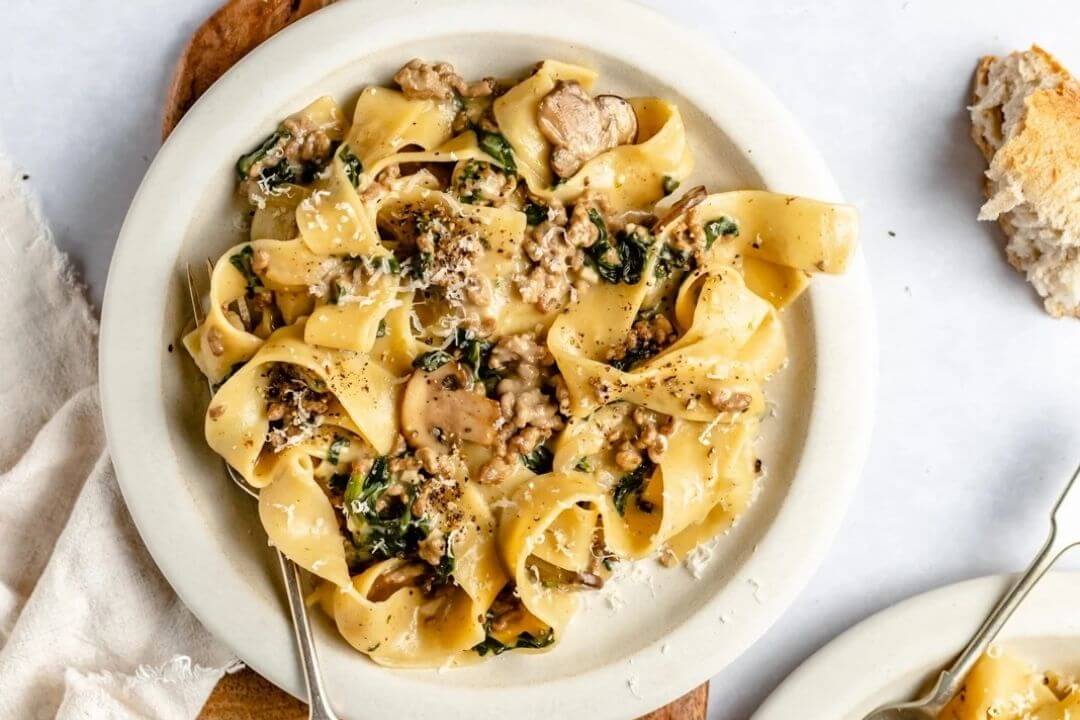
Introduction: Recipes as Gateways to Experience
A recipe is far more than a list of ingredients and instructions. It is a story passed from one hand to another, a cultural imprint encoded in flavor, a sensory memory waiting to be revived. Whether it’s the scent of cinnamon drifting from a grandmother’s kitchen or a precise molecular gastronomy technique discovered online, recipes form the foundation of the culinary arts. They transcend function and become expressions of tradition, creativity, and human connection.
In an age of culinary curiosity and global connectivity, recipes continue to evolve—bridging the old with the new, preserving cultural heritage while inviting endless innovation. This article explores the multifaceted beauty of recipes: their history, structure, emotional weight, and modern-day significance.
The Origins of Recipes: A Historical Perspective
The history of recipes traces back thousands of years. Ancient civilizations from Mesopotamia to Egypt kept detailed accounts of food preparations, often for ceremonial or medicinal purposes. These early records were not always accessible to common folk, but they laid the groundwork for the written culinary instruction we know today.
Key Milestones in Recipe Evolution
-
Mesopotamian Tablets (circa 1700 BCE): The earliest known recipes carved into clay slabs, detailing stews and bread.
-
Roman Gastronomy: Apicius, a Roman gourmand, compiled one of the first surviving cookbooks, De Re Coquinaria.
-
Medieval Manuscripts: Recipes became more widely recorded, though still aimed at aristocratic kitchens.
-
18th-19th Century Domesticity: Cookbooks were democratized, aimed at housewives and home cooks, and began reflecting regional and cultural nuances.
-
Digital Revolution: Recipes went viral. From video tutorials to interactive apps, knowledge of cooking became immediate and global.
Anatomy of a Recipe: Structure and Precision
A beautifully constructed recipe is a blend of science and storytelling. It guides the reader through an experience while leaving enough room for personal flair. Whether you are a novice or a seasoned chef, a good recipe speaks clearly and confidently.
Elements of a Well-Structured Recipe
-
Title: The name should be precise and appealing, often hinting at the origin or defining flavor (e.g., “Provencal Herb-Roasted Chicken”).
-
Ingredient List: Ingredients should be listed in order of use, with accurate measurements and preparation notes such as “chopped,” “minced,” or “room temperature.”
-
Step-by-Step Instructions: The heart of the recipe. Steps should follow a logical sequence, use active verbs, and be broken into manageable actions.
-
Time & Yield: Including prep time, cook time, and number of servings helps cooks plan effectively.
-
Sensory and Visual Cues: Details like “until golden brown,” “when fragrant,” or “until it forms soft peaks” are essential for intuitive understanding.
-
Optional Variations: Notes on substitutions, dietary alternatives, or creative twists can open up a dish to broader audiences.
Recipes as Cultural Artifacts
Every culture has its distinct culinary identity, and recipes are the vessels that carry it forward. Passed through generations, shared at family tables, or archived in cookbooks, recipes reflect the values, geography, and traditions of a community.
How Recipes Preserve Culture
-
Ingredients as Heritage: The use of native herbs, grains, and spices tells a story of climate, agriculture, and local trade.
-
Traditional Techniques: Whether it’s slow fermentation, clay pot cooking, or wood-fire grilling, methods are passed along with ingredients.
-
Festival and Ritual Foods: Certain recipes are reserved for special occasions, like Diwali sweets, Chinese dumplings for Lunar New Year, or Thanksgiving turkey.
-
Migration and Adaptation: Immigrant communities often preserve old recipes while adapting to new landscapes, resulting in hybrid cuisines like Cajun, Tex-Mex, or Indo-Caribbean.
Through recipes, we taste not only the dish but the journey behind it.
The Emotional Resonance of Recipes
Some recipes are more than favorites—they are treasured keepsakes. A handwritten card from a grandmother, a folded page from a beloved cookbook, or a voice note from a parent describing a secret family technique—these are culinary heirlooms that nourish more than the body.
Why Recipes Hold Emotional Value
-
Memory and Nostalgia: A familiar taste can bring back childhood summers, family gatherings, or a moment of comfort during hard times.
-
Bonding and Legacy: Cooking together creates shared memories, while preserving recipes ensures that stories and values live on.
-
Healing Through Food: For many, cooking a familiar recipe provides solace, mindfulness, and even a form of emotional self-care.
Recipes aren’t just tools—they are companions through the seasons of our lives.
Creativity in the Kitchen: Recipes as Springboards
While traditional recipes offer a strong foundation, they also invite interpretation. A skilled cook sees a recipe not as a set of rules, but as a launchpad for innovation. A tweak here, a substitution there—creativity in the kitchen turns routine into art.
Ways to Personalize and Elevate Recipes
-
Play with Flavor Profiles: Introduce global spices or local herbs to reinvent a classic dish.
-
Adjust for Seasonality: Use fresh, in-season produce for better flavor and sustainability.
-
Cater to Dietary Needs: Adapt for gluten-free, dairy-free, or plant-based preferences with smart ingredient swaps.
-
Update Cooking Techniques: Use sous-vide, air frying, or fermentation to add modern flair.
A recipe gives permission to explore, refine, and surprise—every time it’s prepared.
Recipes in the Digital Age: Innovation Meets Accessibility
Technology has not only transformed how we share recipes but also how we interpret and execute them. From TikTok food hacks to AI-generated recipes, the landscape is dynamic, accessible, and highly interactive.
Modern Recipe Trends
-
Visual Learning: Step-by-step video guides enhance clarity and confidence, particularly for visual learners.
-
Social Sharing: Platforms like Pinterest, Reddit, and Instagram turn recipes into viral experiences.
-
Customization Tools: Apps now tailor recipes based on dietary restrictions, available ingredients, and skill level.
-
Global Palates: Instant exposure to world cuisines encourages experimentation and appreciation of culinary diversity.
Despite the surge in digital convenience, the heart of the recipe remains unchanged: a desire to create and connect through food.
Conclusion: The Timeless Relevance of Recipes
In a world that constantly rushes forward, recipes slow us down. They ask us to measure, to stir, to taste. They invite us to remember, to celebrate, and to create. Whether it’s a grandmother’s cherished stew, a chef’s signature entrée, or a new dish discovered on a blog, every recipe carries potential—for nourishment, joy, and story.
To cook from a recipe is to engage in a timeless dialogue—between you and the cook who wrote it, between tradition and invention, between the everyday and the extraordinary. And in that dialogue, we find one of life’s simplest yet most profound pleasures: the magic of turning raw ingredients into something unforgettable.


