
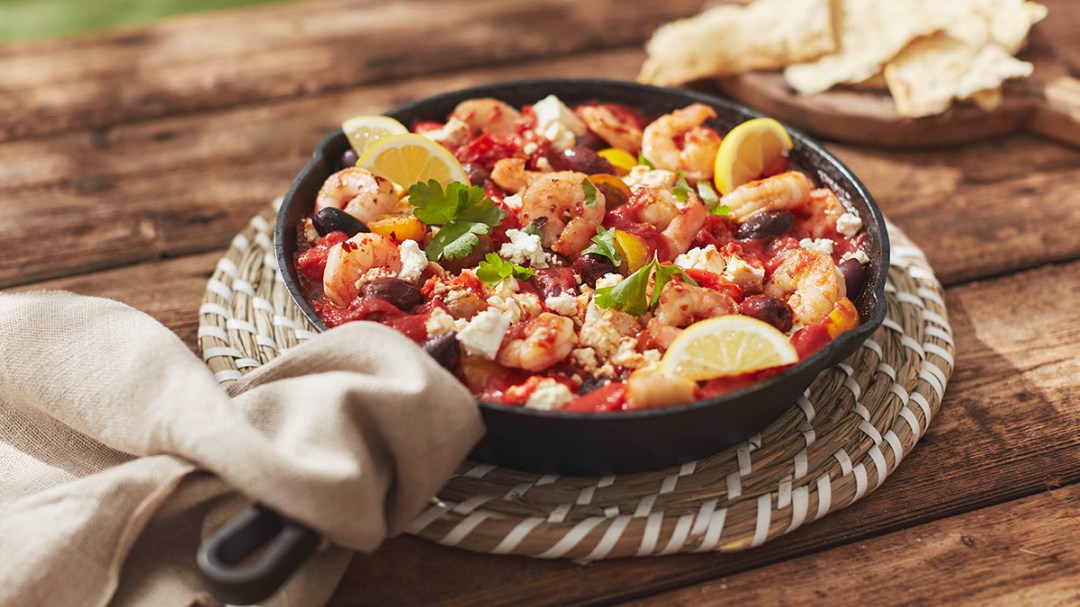
Introduction: The Language of Recipes
In the hum of a kitchen, where clinks of metal meet the hiss of simmering pans, something magical transpires—a transformation that begins with a humble recipe. To many, a recipe may seem like a list: ingredients, instructions, and a few notes on timing. But to the thoughtful cook, it is so much more. A recipe is an unwritten memoir, a whisper from the past, and a stage for creativity. Whether passed through generations or discovered on a glossy page, recipes possess the power to nourish both body and spirit.
In this fast-paced, ever-evolving world, recipes provide an anchor—offering structure, sparking inspiration, and connecting us to traditions and stories far beyond our own. Let us explore how recipes shape our lives, enrich our cultures, and elevate our everyday experiences.
The Historical Thread: Recipes Through Time
The practice of recording culinary knowledge dates back thousands of years. Ancient Sumerians etched food instructions onto clay tablets, while Roman gourmets documented their feasts in detailed scrolls. In medieval Europe, recipes were reserved for aristocrats and monasteries, reflecting the exclusivity of both education and fine ingredients.
By the 18th and 19th centuries, the democratization of printing allowed cookbooks to flourish in domestic life. Recipes were not only practical guides but moral documents, teaching women how to manage households and express care through cooking. Today, with a swipe and a click, we have access to an infinite library of global cuisine.
Evolution at a Glance
-
Ancient civilizations: Recipes as sacred documentation, often tied to ritual.
-
Middle Ages: Culinary instructions restricted to elite kitchens and clerical institutions.
-
Modern era: Mass production of cookbooks, home economics, and recipe cards.
-
Digital age: Online platforms, video tutorials, and social sharing redefine how we cook and learn.
Anatomy of a Recipe: More Than Method
A well-composed recipe is like a symphony—each element playing its part to create harmony. It combines precision with poetics, allowing even novice cooks to perform confidently while inviting seasoned ones to improvise with flair.
Key Components of a Good Recipe
-
Clear, Descriptive Title
A compelling recipe begins with a name that reflects its character: “Rustic Autumn Apple Tart” evokes more than “Apple Pie.” -
Ingredient List in Order of Use
Ingredients should be listed with specific quantities, preparation details, and sequencing aligned with the cooking process. -
Step-by-Step Instructions
Directions must be concise, chronological, and active. Good recipes avoid vague phrasing and instead guide the reader with purpose. -
Sensory Cues
Including descriptions like “until edges are crisp and golden” or “stir until the aroma deepens” engages the cook’s senses and builds intuition. -
Tips and Substitutions
Offering variations encourages personalization and accommodates dietary needs or local availability of ingredients.
Recipes as Cultural Treasures
Every region in the world carries its own culinary fingerprint, shaped by geography, climate, history, and tradition. Recipes serve as time capsules, preserving ancient techniques and cherished flavors that define a culture’s soul.
Ways Recipes Preserve Heritage
-
Ritual and Celebration: Foods tied to holidays, like Italian panettone or Indian modaks, tell stories of faith, family, and festivity.
-
Migration and Adaptation: Diaspora communities preserve recipes as links to home while adapting them to new ingredients and tastes.
-
Oral Histories: Family recipes often come with anecdotes, rituals, and inherited kitchen wisdom passed down verbally before being written.
Cooking a dish from another culture is a form of empathy—a way of understanding history and humanity through the universal language of food.
Recipes in the Modern Kitchen
In contemporary kitchens, the function of a recipe has shifted. No longer a strict directive, a recipe now acts as a collaborative partner. Technology has opened new paths for learning, with visual platforms like YouTube and Instagram transforming the learning curve. The average home cook today is more experimental, blending traditional wisdom with global influence.
Modern Trends Shaping Recipes
-
Interactive Media: Step-by-step video guides enhance understanding and build confidence.
-
Health and Wellness Focus: Recipes now cater to specific dietary needs—vegan, gluten-free, keto—with greater diversity and creativity.
-
Sustainability: Ethical eating and zero-waste cooking are being integrated into recipe development, emphasizing conscious consumption.
Still, amid all these modernities, the core remains unchanged: a recipe must speak clearly, encourage joy, and result in something deliciously shareable.
Cooking as a Creative Act
While some approach recipes as formulas, others view them as jumping-off points. Once the foundation is understood, recipes become canvases for flavor exploration. A classic tomato sauce can morph with a dash of cinnamon or the warmth of smoked paprika. Banana bread becomes transformative with browned butter and dark chocolate.
How to Personalize a Recipe
-
Swap spices to suit your palate—replace thyme with rosemary or cumin with coriander.
-
Add unexpected textures with toasted nuts, crispy shallots, or fresh herbs.
-
Play with temperature—chill a soup meant to be hot, or warm a dessert typically served cold.
The recipe doesn’t just belong to the creator. Once in your hands, it becomes your story to tell.
Recipes as Emotional Keepsakes
There is something sacred about a handwritten recipe card stained with oil and memory. Recipes have emotional resonance, anchoring us to people and moments we hold dear. A mother’s casserole, a friend’s festive cookies, a neighbor’s curry—each carries love, comfort, and the bittersweet tug of nostalgia.
Ways to Preserve Recipe Legacies
-
Family Recipe Journals: Collect recipes from elders and pair them with stories and photos.
-
Recipe Gift Books: Personal cookbooks make thoughtful wedding, graduation, or holiday gifts.
-
Cooking Together: The best way to preserve a recipe is through shared experience. Teach it, make it, and pass it on.
These are the stories that survive long after the meal is over.
Conclusion: Recipes as Everyday Art
In the end, a recipe is not simply about feeding the body—it’s about feeding the soul. It is a vessel of culture, creativity, memory, and emotion. In following a recipe, we echo the voices of those who came before us. In adapting one, we add our own voice to the conversation.
To cook is to connect—with our past, with our people, and with ourselves. Whether you’re following a time-tested family favorite or experimenting with global flavors, may your recipes always lead you not only to satisfying meals but also to moments worth savoring.
So tie your apron, open your notebook—or tablet—and remember: every great dish begins with a story. Let the recipe be your first word.


