
Introduction: A Feast Beyond the Fork
A restaurant is far more than a place where meals are served. It is a dynamic stage for storytelling, a sanctuary of taste, and a silent witness to life’s most meaningful conversations. In a world where convenience often overshadows connection, the restaurant remains a rare and cherished space—one where hospitality meets art, and culture is plated with elegance. Today’s diners crave more than food; they seek narrative, ambiance, and emotion. In this refined era of dining, the restaurant has evolved into a sensory journey, deeply rooted in both tradition and innovation.
From Humble Origins to Global Icons
The history of restaurants dates back centuries, yet the modern concept emerged in 18th-century Paris. Following the French Revolution, chefs formerly employed by aristocrats opened their kitchens to the public, offering meals that were restorative in both flavor and spirit. Thus, the term “restaurant,” derived from the French word restaurer—to restore—was born. Over time, eateries spread across continents, adapting to cultural contexts and culinary landscapes. From the street-side noodle stalls of Bangkok to the white-linen grandeur of New York’s fine dining institutions, the restaurant became a canvas for identity, creativity, and connection.
Ambiance: The Architecture of Emotion
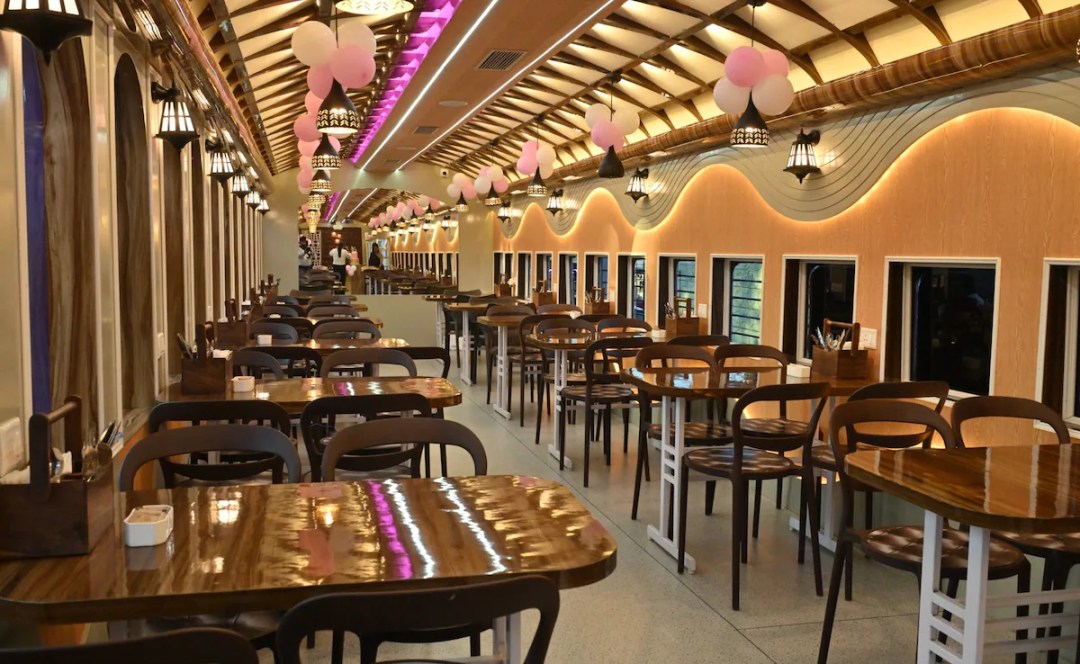
Before the first bite is taken, a guest enters into an experience shaped by ambiance. The setting is not merely a backdrop—it’s an essential character in the dining narrative. It’s the dim candlelight flickering against wood-paneled walls, the gentle hum of jazz in the background, the scent of rosemary drifting from the open kitchen. Ambiance sets the emotional tone and forms the subconscious memory of a meal.
Core elements that define restaurant ambiance include:
-
Lighting: Soft lighting can suggest intimacy, while natural daylight enhances casual charm
-
Sound Design: Curated music or the subtle hum of conversation shapes mood and tempo
-
Interior Aesthetics: Color palettes, materials, and textures reflect the restaurant’s soul
-
Spatial Layout: The arrangement of tables influences privacy, flow, and energy
When thoughtfully designed, ambiance harmonizes with cuisine, reinforcing the theme and elevating every detail of the guest’s experience.
The Menu: A Chef’s Signature and Story
Menus have evolved from mere listings of food to carefully curated reflections of philosophy. A well-crafted menu is deliberate and poetic. It tells a story about seasonality, regional pride, culinary technique, and the chef’s personal vision. It bridges tradition with experimentation and honors ingredients with reverence.
Notable features of contemporary restaurant menus:
-
Seasonal Adaptation: Dishes change with the harvest, ensuring freshness and relevance
-
Local Sourcing: Ingredients from nearby farms and producers reinforce sustainability and flavor integrity
-
Dietary Inclusivity: Vegan, gluten-free, and allergen-conscious options reflect modern awareness
-
Tasting Journeys: Prix fixe or multi-course menus allow for deeper exploration of culinary creativity
Increasingly, chefs use their menus to speak authentically about heritage and personal evolution. In doing so, they invite diners not just to eat, but to engage with the story behind every plate.
Hospitality and Service: The Human Element
A restaurant’s essence is found not only in its food or setting, but in its people. Service is the silent choreography that makes everything appear effortless. It is the warm greeting, the perfect wine pairing, the intuition to offer a second napkin before it’s needed. Great service is never about perfection—it’s about empathy, timing, and care.
Qualities of exceptional restaurant service:
-
Anticipation: Understanding guests’ needs before they vocalize them
-
Knowledge: Deep familiarity with the menu, wine list, and sourcing philosophy
-
Presence without Pressure: Being available and attentive without hovering
-
Sincerity: Hospitality that feels heartfelt, not rehearsed
Ultimately, guests return not just for the dishes, but for the way a restaurant makes them feel. Human connection is the ingredient that turns a meal into a memory.
Technology and the Table: A Seamless Integration
Technology has gracefully entered the restaurant world—not as a replacement for human interaction, but as a tool to enhance efficiency and personalization. From online reservations to kitchen management systems, digital innovation is streamlining operations while preserving the essence of the dining experience.
Common technological enhancements in modern restaurants:
-
Smart Booking Systems: Manage reservations, special requests, and customer data
-
Contactless Menus and Payments: Enhance hygiene and convenience without disrupting ambiance
-
AI-Driven Inventory Management: Reduce waste and optimize purchasing
-
Guest Feedback Platforms: Enable real-time responses to preferences and critiques
Technology, when used thoughtfully, strengthens the core mission of hospitality—allowing more time and attention to be devoted to the guest.
Cultural Role and Community Identity
Restaurants are far more than commercial establishments. They are reflections of place, memory, and belonging. In rural villages and urban centers alike, restaurants function as social hubs, cultural storytellers, and economic engines. They support farmers, employ artisans, inspire artists, and preserve traditions.
Ways in which restaurants shape cultural and community life:
-
Preserving Heritage: Culinary customs are kept alive through generational recipes and local ingredients
-
Celebrating Diversity: Fusion menus and global flavors introduce guests to new perspectives
-
Economic Vitality: Local sourcing and employment create sustainable impact
-
Gathering Space: From birthday dinners to political discussions, restaurants host the moments that matter
A truly remarkable restaurant becomes woven into the community’s narrative—respected not only for its menu, but for its meaning.
Challenges in a Changing Industry
While the modern restaurant enjoys unprecedented creativity and reach, it also faces substantial challenges. Economic pressures, labor shortages, rising costs, and heightened customer expectations create an environment of constant tension. Sustainability is no longer optional—it is a demand. Diners want not only excellence, but ethics. Navigating these realities requires innovation, resilience, and clarity of purpose.
Strategies helping restaurants adapt to modern challenges:
-
Flexible Models: Offering delivery, pop-ups, and experiential events to diversify income
-
Sustainable Practices: Reducing waste, conserving energy, and ethical sourcing
-
Inclusive Leadership: Supporting diversity and fair labor practices in kitchen and service staff
-
Digital Presence: Engaging customers through storytelling on social platforms
The restaurants that thrive will be those that adapt without losing their soul—balancing business with beauty, and progress with presence.
Conclusion: Where the World Comes to the Table
The restaurant, in its most refined form, is a masterpiece of coordination, culture, and care. It is a sanctuary where strangers become friends, where ingredients transform into art, and where moments linger long after the last glass is emptied. In an age that often prizes speed over substance, the restaurant invites us to slow down, to savor, and to connect. It reminds us that nourishment is not only physical, but emotional and spiritual. And as long as we continue to gather, to taste, and to celebrate, the restaurant will remain an irreplaceable cornerstone of human life—timeless, evolving, and always essential.


