
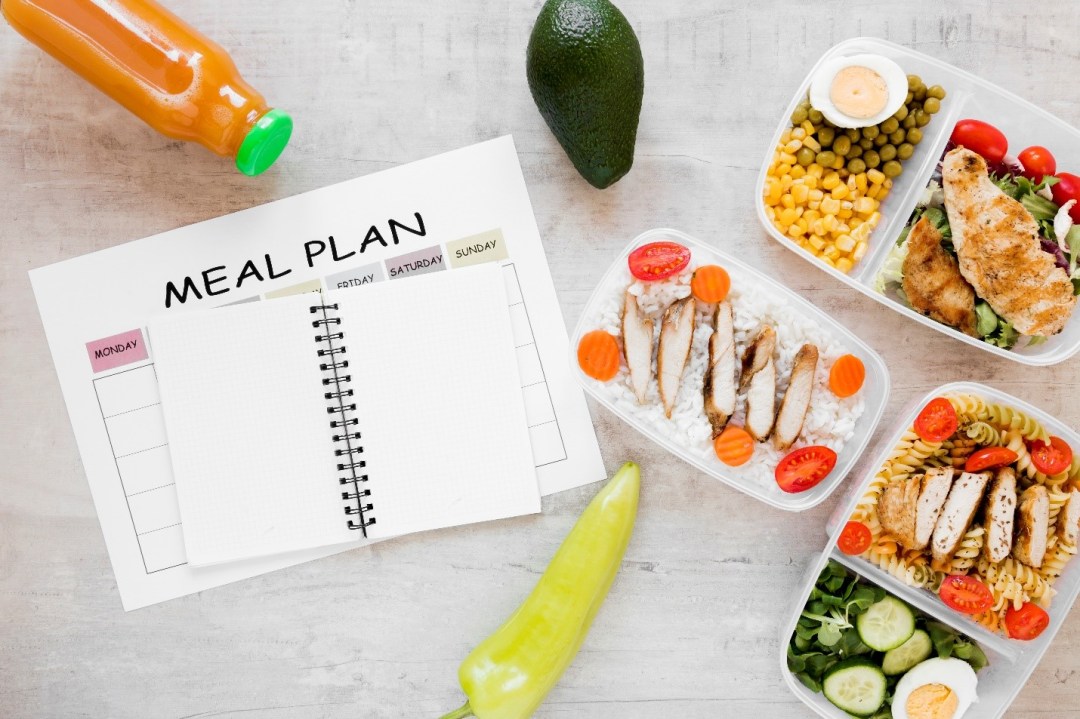
Introduction: Redefining the Modern Mealtime
In the hurried pulse of modern life, food often becomes a last-minute decision—an afterthought squeezed between obligations. Yet, our meals are more than just sustenance; they are opportunities for nourishment, pleasure, and care. Meal planning and preparation, when done thoughtfully, are not about rigid schedules or culinary perfection. They are about reclaiming control over one of life’s most essential rhythms: feeding ourselves and those we love with intention, grace, and ease.
This article invites you to approach meal planning not as a chore, but as a refined lifestyle practice. With elegant strategies, smart systems, and a touch of culinary artistry, you can transform the daily act of eating into something harmonious, healthful, and deeply satisfying.
The Philosophy Behind Meal Planning
At its best, meal planning is not just about what you eat—it’s about how you live. It blends organization with creativity and discipline with flexibility. By investing a small amount of time each week, you gain a sense of calm in the kitchen and confidence in your choices.
Why Meal Planning Is Worth the Effort:
-
Clarity and Structure: Eliminates daily indecision and last-minute takeout
-
Health-Conscious Choices: Encourages nutrient-dense meals and balanced portions
-
Budget-Friendly: Reduces impulse spending and limits food waste
-
Time-Saving: Minimizes multiple shopping trips and unplanned cooking
-
Culinary Freedom: Ironically, structure allows more room for creativity
Laying the Foundation: The Planning Process
Before you prepare a single ingredient, there’s an essential first step: planning. A weekly ritual of sitting down with a calendar and a notepad can help you map out meals in a way that suits your lifestyle.
How to Begin Planning Your Weekly Meals:
-
Assess Your Week
Look ahead. Are there late work nights? Social events? Lazy Sunday mornings? Align your meals with your energy and schedule. -
Check What You Already Have
Scan your fridge, freezer, and pantry. Build meals around what’s available to reduce waste and overspending. -
Select Core Meals
Aim for five dinners and a few options for lunch or breakfast. Leave one or two nights open for leftovers or spontaneity. -
Balance Your Menu
Mix proteins, grains, vegetables, and fats across your meals. Alternate between lighter dishes and hearty favorites. -
Write a Grocery List by Category
Organize your list into sections: produce, proteins, dairy, pantry, frozen. This makes shopping faster and more efficient.
Meal Prep Like a Professional
Once the plan is in place, meal prep begins. The goal isn’t to cook everything ahead of time, but to create a foundation that allows you to assemble meals with minimal effort during the week.
Essential Meal Prep Techniques:
-
Batch Cooking
Make a pot of quinoa, roast a tray of vegetables, grill several chicken breasts, or cook lentils for flexible use. -
Chop Ahead
Dice onions, mince garlic, slice carrots and cucumbers, or shred lettuce for salads—saving minutes each day. -
Pre-Portion Snacks and Meals
Store meals in individual containers to grab-and-go for work or school days. -
Make One Signature Sauce
A simple vinaigrette, yogurt dressing, or tahini sauce can elevate multiple dishes across the week. -
Freeze Strategically
Soups, stews, and casseroles freeze beautifully. Always have one or two emergency meals on standby.
Sample Weekly Menu: Balanced, Flavorful, and Flexible
| Day | Lunch | Dinner |
|---|---|---|
| Monday | Roasted veggie quinoa bowl | Grilled chicken with sweet potato mash |
| Tuesday | Chickpea salad with feta and cucumber | Pasta with tomato, spinach, and white beans |
| Wednesday | Hummus wrap with arugula and olives | Stir-fried tofu with jasmine rice |
| Thursday | Couscous with roasted zucchini and pesto | Baked salmon with wild rice and broccoli |
| Friday | Leftovers or lentil soup | Homemade flatbread pizza or takeout |
This sample offers structure with built-in flexibility. Swapping lunches and dinners is easy, and many ingredients cross over, keeping shopping streamlined.
Tips for Keeping It Sustainable
Meal planning and prep should support your lifestyle, not complicate it. Start simple, then evolve your system over time.
Refined Tips for Ongoing Success:
-
Stick to a Prep Day
Sunday or Monday evenings work well for many. Choose a time when you’re relaxed and focused. -
Use Tools You Love
A good chef’s knife, elegant storage containers, and a sharp peeler make prep smoother and more enjoyable. -
Track What Works
Keep a meal planning journal. Record what meals were hits (or misses), and build a personal repertoire of favorites. -
Introduce Themes
Think “Meatless Monday,” “Soup Night,” or “Leftover Friday.” These create structure while sparking creativity. -
Leave Room for Indulgence
Balance is key. Plan a dessert or a luxurious pasta night. Life is meant to be savored.
Overcoming Common Hurdles
Every routine comes with challenges. Meal planning is no exception. The good news? Most obstacles are easily managed with a bit of foresight.
Troubleshooting Meal Planning Woes:
-
Running Out of Inspiration?
Browse food blogs, Pinterest, or cookbooks. Even one new recipe a week can reinvigorate your menu. -
Getting Bored?
Change the spices, cooking techniques, or proteins. Roasted carrots with cumin taste entirely different from those with thyme and honey. -
Short on Time?
Simplify. You don’t need a gourmet plan. Even prepping just two main dishes can significantly reduce weekday stress. -
Tired of Repetition?
Prep ingredients, not meals. This allows you to mix and match based on mood or hunger level.
Conclusion: A Culinary Practice Worth Embracing
Meal planning and preparation is not merely about what’s on your plate. It’s a reflection of how you care for yourself. It speaks to mindfulness, to grace in the everyday, and to the power of a plan well-executed.
By embracing this practice, you bring rhythm to your week, elegance to your kitchen, and intention to your meals. Whether you’re feeding one or five, striving for health or simply hoping to bring calm to your evenings, a well-crafted plan is your secret ingredient.
Let the kitchen be your sanctuary, your canvas, and your compass. With a little planning and a bit of prep, you’re not just making meals—you’re creating a more nourished and balanced life.


